a

Lorem ipsum dolor sit amet, elit eget consectetuer adipiscing aenean dolor

Why Bars, Venues, and Retail Spaces Are Racing to Add Interactive Experiences

Most bars, arcades, restaurants, and venues fall into one of two sad traps, and neither one works anymore.

The first trap is the boring and lazy approach. An owner sets up a space with tables, chairs, and maybe a TV playing sports, but there is no energy and no reason for anyone to stay past one drink. The staff stands around looking at their phones. People walk in, see nothing interesting, and leave.

The second trap is the cold high-tech approach. A bar installs expensive digital menus on every table or adds QR codes for ordering. A table side tablet is filled with complicated games that no one understands. The tech is impressive for about five seconds before people realize the experience has no warmth. A giant touch screen does not make people laugh together. Fancy gadgets do not equal a good time.

What Chuck E. Cheese Understood Decades Ago

Some businesses figured out a third path decades ago, and it starts with understanding that attention is the new currency in a world full of distractions.

Chuck E. Cheese opened its first location in San Jose, California in 1977. Kids did not go there just for the pizza. They went for the ritual of playing games, winning tickets, and trading those tickets for small prizes. The technology was simple while the experience was human. A child felt the thrill of pulling a lever and watching tickets come out, and that feeling brought families back again and again because Chuck E. Cheese sold a memory, not just a meal.

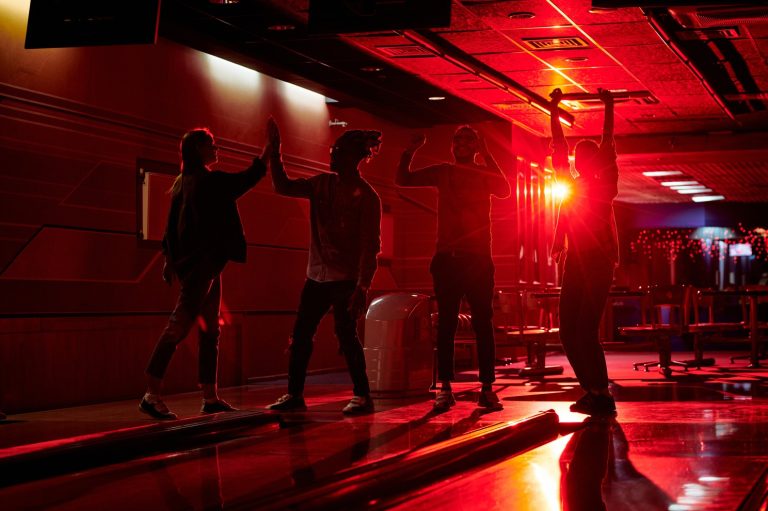
That same logic works for bowling alleys like Lucky Strike Entertainment. Lucky Strike took a sport that had existed for decades and transformed it by dimming the lights, adding a full bar with craft cocktails, putting leather couches near the lanes, and playing loud music. Suddenly bowling was not just for league nights or kids’ birthday parties but became a date night destination where people in suits came after work.

Lucky Strike did not invent bowling but instead invented a feeling around bowling, and Pinstripes did something similar by adding bocce courts and upscale Italian food. The activity is just the excuse while the experience is the real product.

How Arcades Keep People Playing for Hours

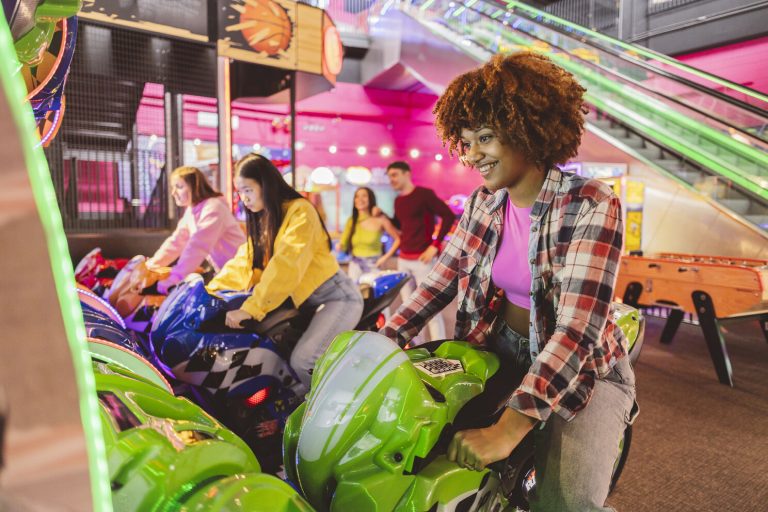
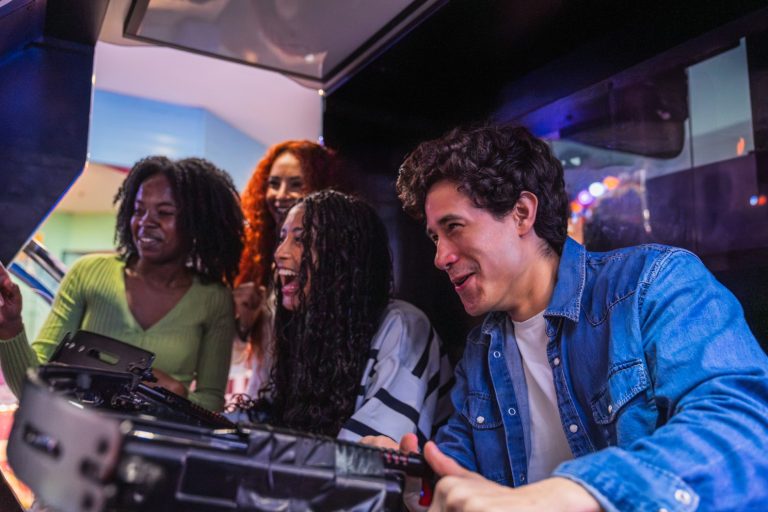
Dave & Buster’s Inc. succeeded because they built a space around something the hospitality industry often forgets: people do not just want to consume food and drinks. They want to compete against their friends and family.

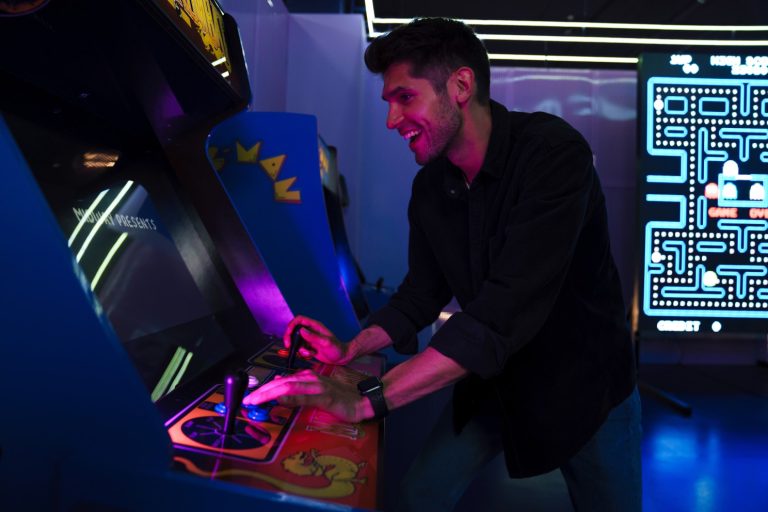
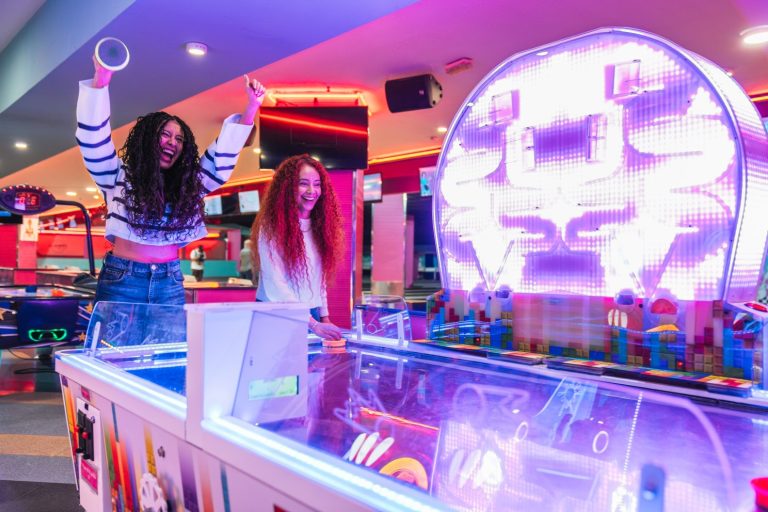
The arcade games at Dave & Buster’s create a reward system that hits every engagement trigger. You get quick rounds that last one or two minutes. You get instant feedback with flashing lights and loud sounds when you win. You see high scores on the screen that challenge you to do better. You can compete on leaderboards against other players in the same location. You earn bragging rights when you beat your friend’s score. That one-more-try psychology keeps you playing longer than you planned.


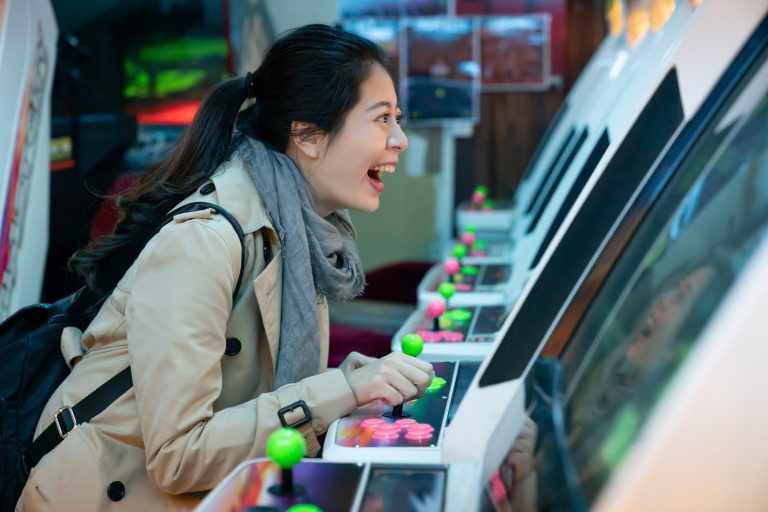
Round1, which has locations in many American malls, avoids the cold tech trap by offering a huge selection of claw machines, ticket games, and video games that are simple to learn. The prizes range from small candies to expensive electronics.

Guests save their tickets for weeks or months to get the big prize they want. The system is clear, the reward is real, and the experience feels human instead of robotic.

How Bars Create a Show, Not Just a Drink List

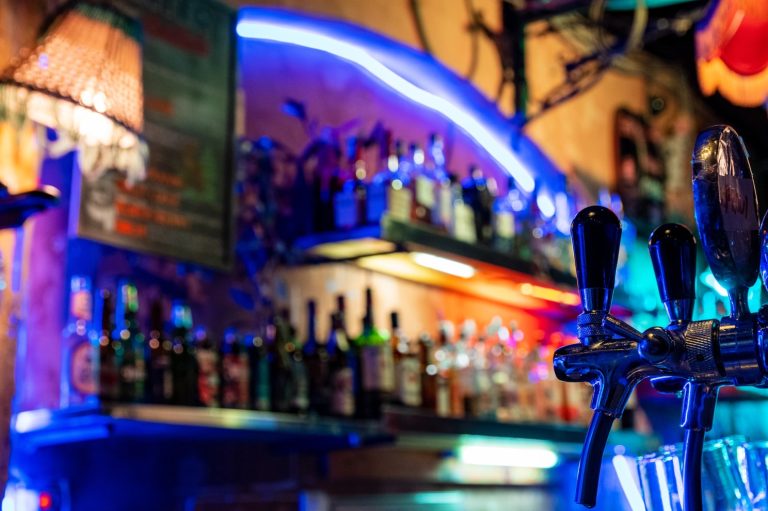
Walk into the wrong bar and you will see people sitting quietly staring at their phones. The music plays and the drinks flow, but something is missing because there is no energy and no laughter.

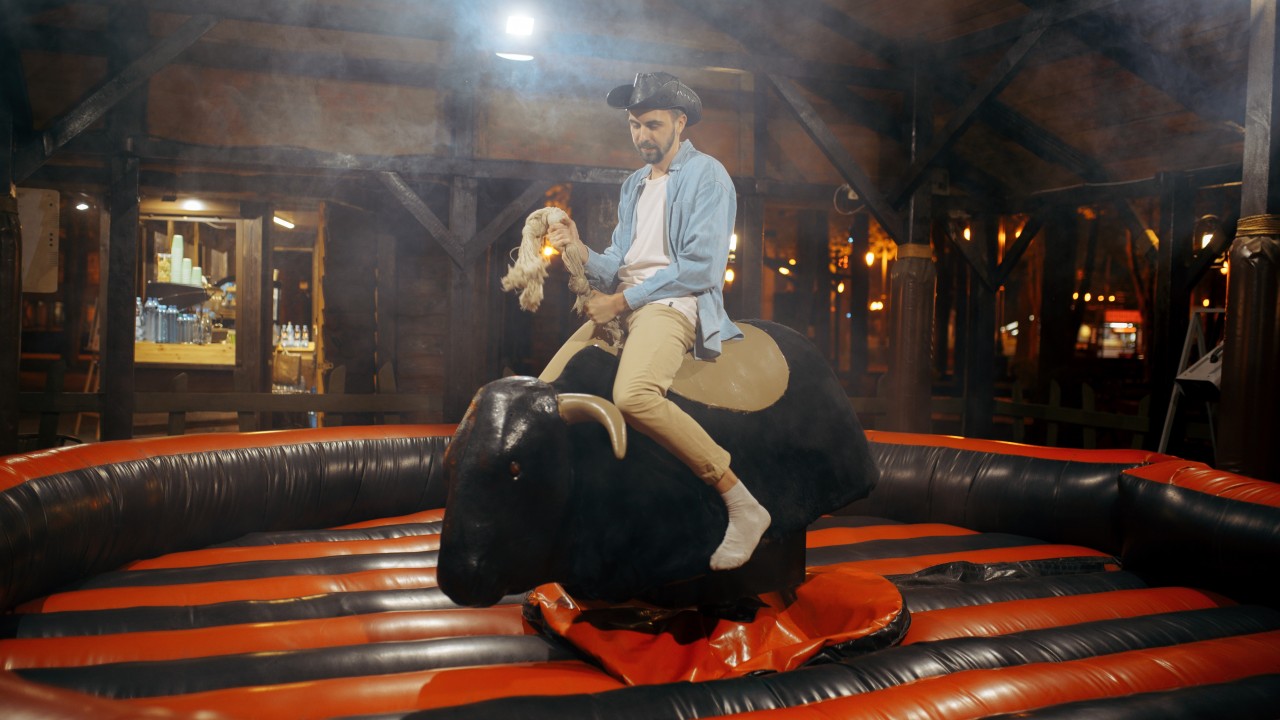
Walk into the right bar and you see a mechanical bull in the middle of the room like the ones at Saddle Ranch in Los Angeles, Orange County, and other cities. That mechanical bull does not just entertain the rider but instead creates an audience that cheers and laughs together while everyone pulls out their phones to record the action. A normal bar might have music and drinks where people sit, drink, and leave after an hour, but a bar with a mechanical bull creates a show where people stay longer, buy more drinks, and tell their friends about the experience the next day.

Billy Bob’s Texas in Fort Worth, which calls itself the world’s largest honky tonk, took the same path with a mechanical bull that has been operating for decades. The technology is simple while the experience is human. The bull is not just a ride. It is a loop that keeps people engaged and watching.

You Can Do This With Any Bar, Restaurant, Hotel, or Retail Store

Here is the part you need to hear: you can do this whether you own a bar, a restaurant, a hotel, a bowling alley, a retail store, or any other establishment where people gather.


Imagine you own a chocolate shop. You set up a small spinning wheel where people spin and answer a trivia question about where cocoa beans come from to win a free sample. A family stops, the kids get excited, and the parent buys a box of truffles on the way out. You did not install VR headsets or build a robot. You just made a boring everyday transaction into a playful moment. A hotel in Nashville could put a small songwriting challenge in the lobby where finishing a lyric gets you a free or discounted drink at the bar. A hardware store could put a guess-how-many-nails-are-in-this-jar game near the register. A bar that is slow on Tuesday nights could run a trivia night with no phones allowed. A restaurant could bring out a digital jukebox where guests vote on the next song from their phones.

None of these require a huge budget but instead require the willingness to gamify your location whether it be a retail store, a pop up or a repair service.

The Secret Ingredient: Simple Loops and Dwell Time

The most successful entertainment venues do not need to call it gamification or even identify it, they just know it WORKS. They understand what game designers have known for decades: people love systems that give them five things which are goals, progress, feedback, reward, and status.

That is why leaderboards work at arcades like Dave & Buster’s and why ticket systems work at Chuck E. Cheese. You get a clear goal, you see your progress, you receive instant feedback, you earn a reward, and you gain status compared to other players. That one-more-try psychology keeps you playing longer than you planned.

If you want the cleanest measure of whether your bar, arcade, or venue is winning, focus on one simple metric called dwell time, which is how long someone stays in one place before moving on. Longer dwell time increases conversation between guests, increases spending because people buy more food and drinks when they stay longer, and increases repeat visits because a long, fun experience creates a stronger memory

A normal bar might get forty-five minutes of dwell time from a customer who has one drink and leaves. A bar with a mechanical bull, a trivia night, or any interactive element can get two hours or more because once someone is participating, they are no longer just a customer. They are invested in the outcome and emotionally hooked on the activity.

Your Step-by-Step Guide


Here is your step-by-step guide to getting this right without falling into either trap.

Step one is to stop being passive. Throw away the boring setup, stop your staff from standing around looking at their phones, and instead have something moving, something making noise, and a person actively inviting people in with energy and warmth.


Step two is to stop being cold and robotic. Do not buy expensive technology without a human purpose. The technology should serve the game instead of the other way around, and if a screen or a digital menu does not make people smile you should get rid of it.


Step three is to design a simple loop of play, win, and repeat. Test the loop yourself by asking whether it feels good to win and whether the reward is worth the effort.


Step four is to test and learn. Try a small interactive element at your bar or arcade this weekend. Watch how people react, notice where they stop, and listen to what makes them laugh.


Step five is possibly the most important rule. People do not share what they see. They share what they participate in.

Final Thoughts

The winners in arcades, bars, bowling alleys, restaurants, hotels, and retail stores over the next five to ten years will be the ones who understand a simple idea. In a world drowning in millions of videos, posts, and ads competing for your attention every second, real attention is the rarest currency in the room, but there are not nearly as many real-world experiences that make you feel truly alive.

The question is not whether to add interactive elements but rather how to add them without losing your humanity. Do not be passive. Do not be cold and robotic. Be warm, be playful, and be a person inviting another person to have fun. That is the only experience that still works. Technology can help you get there, but you have to design the human moment first.

Helping Teams Create Products That Actually Stick

Michael Sorrenti and his team at GAME PILL help companies turn ideas into products people cannot stop using. With twenty-six plus years of experience creating games, AI experiences, and digital platforms for global brands like Disney, Marvel, and Nickelodeon, they guide teams to design and launch products that drive engagement, revenue, and growth. DM the word “retention” if you would like to set up a call and discuss the gamification of your store, product or event!

#Gamification #ExperienceEconomy #EntertainmentDesign #DwellTimeMatters #ImmersiveVenues #BarDesign #ArcadeCulture #BehavioralDesign #ModernMarketing #HospitalityTrends #RetailInnovation #Gamification #CustomerExperience #ExperientialMarketing #InteractiveDesign #RetailTech #BrandEngagement #EventMarketing #FutureOfRetail #LoyaltyPrograms #DigitalCollectibles #AI #MarketingStrategy #ConsumerBehavior #UXDesign #ProductDesign #DataDrivenMarketing