Lorem ipsum dolor sit amet, elit eget consectetuer adipiscing aenean dolor
How To Avoid A Million Dollar Mistake.
Michael Sorrenti
I help companies design products people can’t stop using | Creative Technologist | Product design & AI Advisory | Builder for Disney, ESPN, Mattel, Marvel & Nickelodeon | Founder, Game Pill
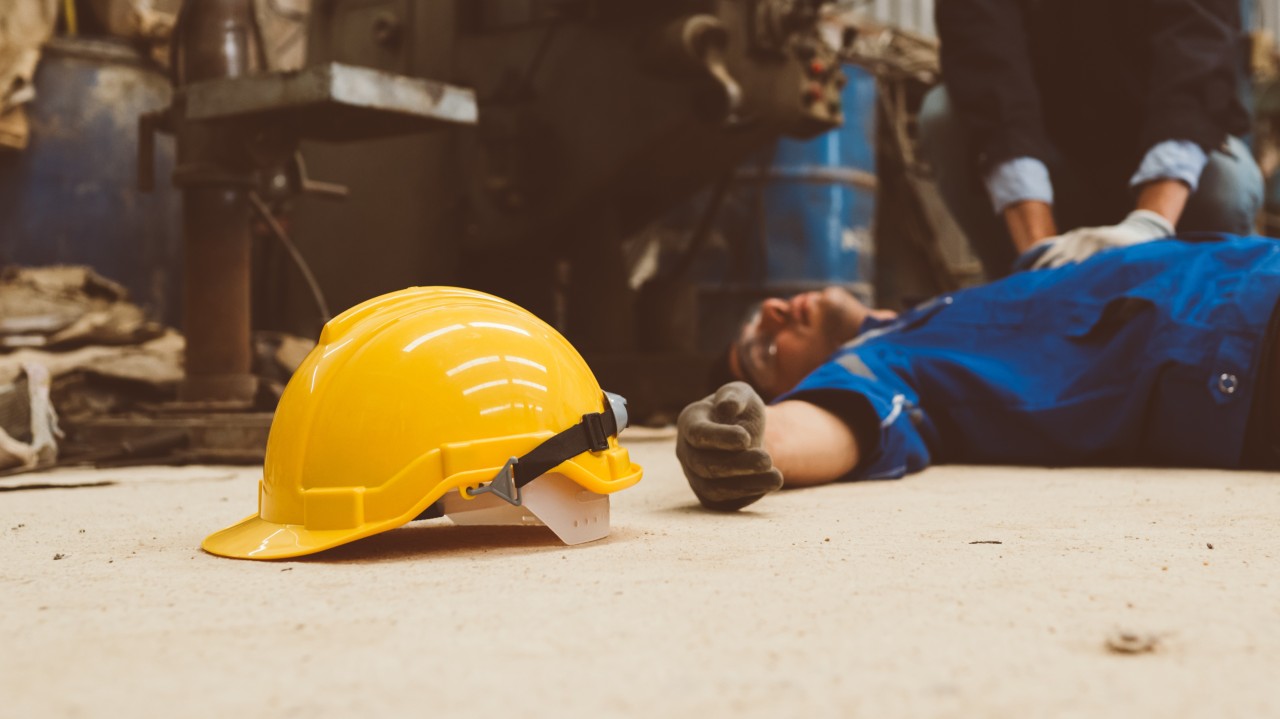
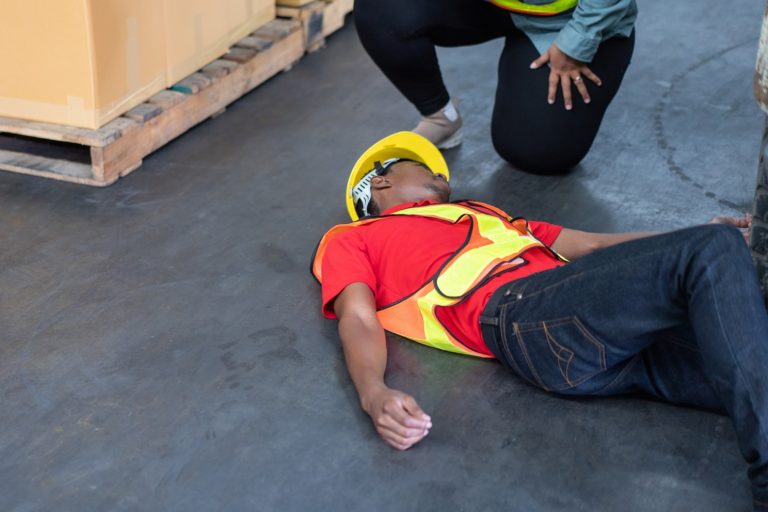
Imagine your phone rings at 2AM. It’s the hospital. There has been an accident.
You never checked that anyone taught him how to read the Load chart. You thought the video was enough.
You were wrong. He’s hurt or worse…… Not because he failed. Because you did.
Most managers treat training like paperwork. A few videos. A signature. Done. That’s not training. That’s theater.
Regulators arrive. Records are incomplete. Competency tests missing.
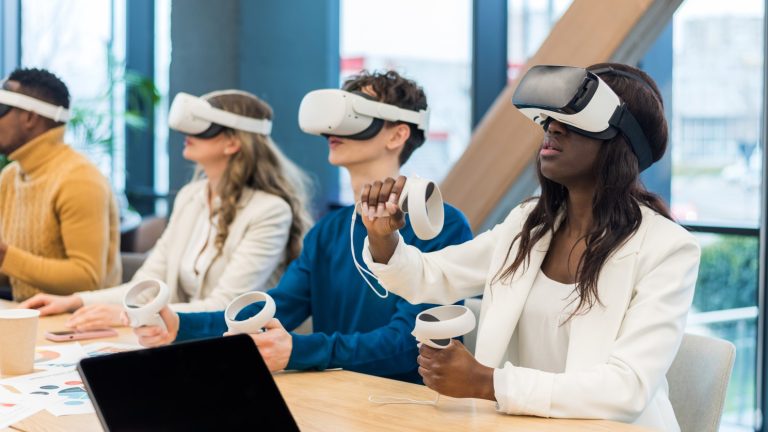
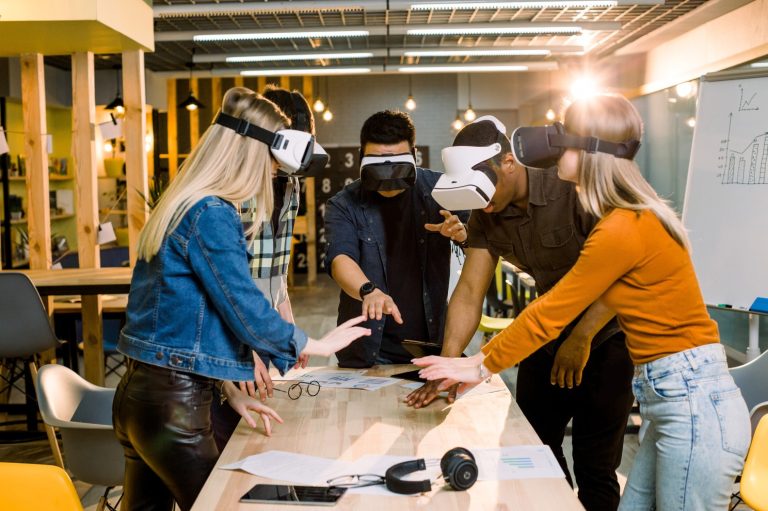
The fix isn’t another checklist, it’s simulation or training module. You can’t rehearse a crane collapse on the job. The first time an operator faces that terror shouldn’t be the moment your company’s future and someone’s family hang in the balance. Simulations can turn rare disasters into routine drills.
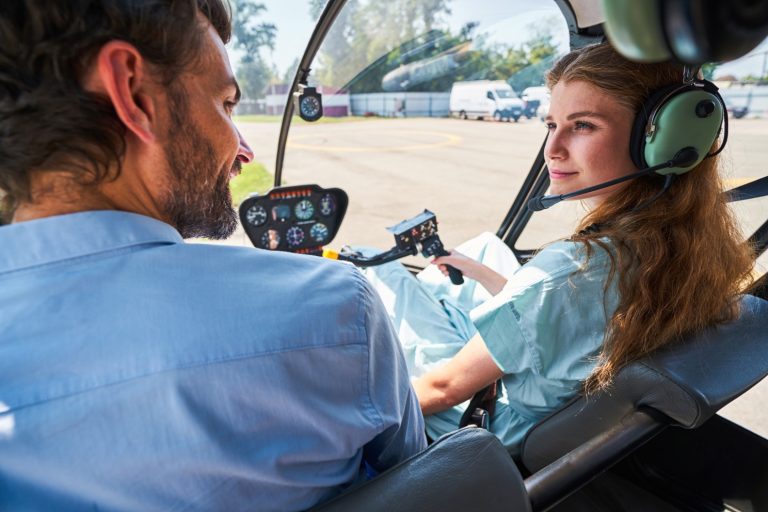
Aviation figured this out decades ago. Pilots practice engine failures in simulators where mistakes cost nothing.
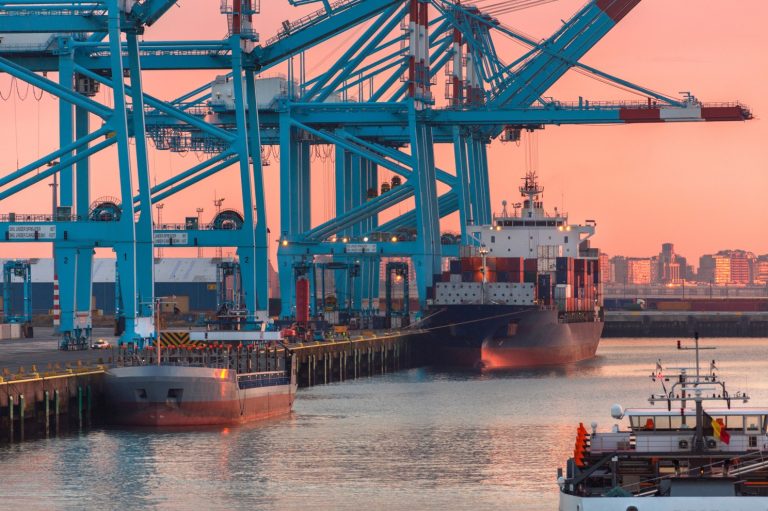
Crowley Maritime adopted simulation for docking. In 18 months, incidents fell 85 per cent. Insurance premiums dropped 20 per cent. The simulator paid for itself in 8 months.
Simulation also beats the science of forgetting. Hermann Ebbinghaus showed that people lose up to 70 per cent of new information within a day. A video can’t fight that. Simulation demands recall, repetition, and proof of skill before anyone touches real equipment. It’s not theory, it’s survival.
Now, lets look at three real-world disasters. Each one could have been prevented with simulation training:
Lac-Mégantic, Quebec, July 2013.
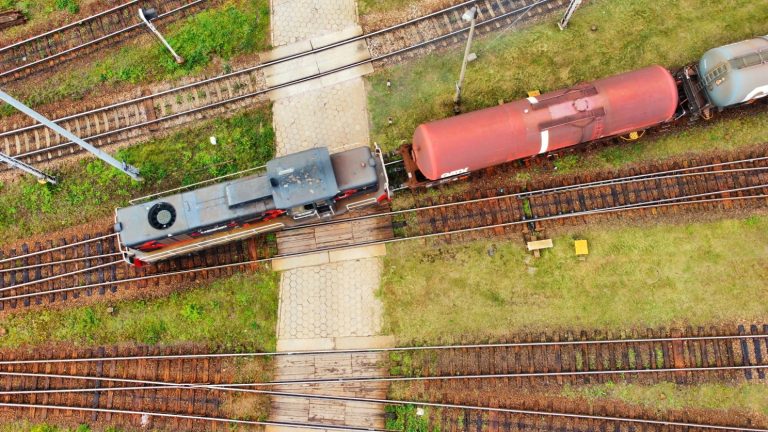
A 72-car train carrying crude oil was parked uphill from the town. The engineer set the hand brakes. He left the locomotive running. Then a small fire started. Firefighters arrived. They put out the fire. Then they shut down the engine. That killed power to the air brakes. Without air pressure, the hand brakes failed. The unmanned train rolled 7.2 miles downhill in the dark. It picked up speed. It derailed in the center of town at 65 miles per hour. The explosion killed 47 people. The downtown core was decimated. The investigation found that the root causes were inadequate training, no internal safety auditing, and a culture of shortcuts. The engineer was found not guilty of criminal charges because he had done exactly what his company trained him to do. The company never trained him on what to do when equipment failed. A consultant had offered to train the crew on proper handbrake procedures for just $17,600. The company said no. The result was over $200 million in cleanup, civil lawsuits, bankruptcy for the Montreal, Maine and Atlantic Railway, and worst of all, 47 preventable deaths.
How simulation training would have prevented Lac-Mégantic. You cannot practice a 7-mile runaway descent on a real track. It is too dangerous. But in a high-fidelity locomotive simulator, engineers can experience dynamic brake failure, air pressure loss, and unattended equipment scenarios repeatedly until the procedure becomes muscle memory. They can practice emergency shutdown sequences in a virtual environment where mistakes cost nothing. They can feel the consequences of shutting down the engine on a slope without actually killing anyone. If that engineer had spent just two hours in a simulator facing an “air brake failure” scenario, he would have known that killing power to the locomotive creates a bomb. That $17,600 training investment would have saved $200 million and 47 lives. Instead, the company is bankrupt and the town is a graveyard.
Seattle, Washington, 2019.
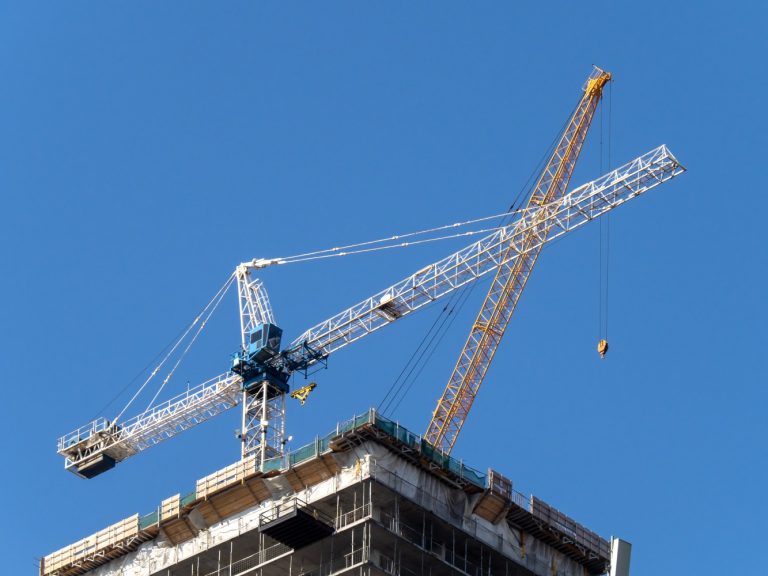
A crane collapsed from the top of a new building under construction. Four people died. Several more were injured. Investigators found that the crane had not been assembled correctly. The workers who assembled it had been given only a brief verbal overview of the instructions. None of them had ever practiced on that specific crane model before. The general contractor assumed that because the workers had experience on other cranes, they would figure it out. That assumption cost four people their lives. The families filed wrongful death lawsuits against the contractor, the manufacturer, and the subcontractor. Total settlements exceeded $150 million. The contractor’s insurance company denied part of the claim because the training records were incomplete. The contractor went out of business. A company that had operated for 40 years was erased by a single assumption: “They’ll figure it out.”
How simulation training would have prevented the Seattle crane collapse.
High-fidelity crane simulation allows rigging crews to perform virtual lift planning and assembly sequences for a specific crane model before touching the physical machine. They can practice on a digital twin of the exact crane they will assemble.
They can make mistakes in the virtual world, assembling a component in the wrong order, missing a critical pin, misreading a load chart, and they can experience the virtual crane collapse without any lives lost.
Research shows that simulation-based training transfers skills 16 to 50 per cent faster than traditional methods, while increasing retention.
If that crew had spent just four hours on a simulator practicing the assembly of that specific crane model, they would have arrived on site with competency, not just confidence. At the end of the day, those 4 workers would have gone home to their families instead of in a body bag. The 40-year company would still be in business. The $150 million in lawsuits would never have been filed.
Ravensthorpe Nickel Mine, Western Australia, 2017
On January 11, 2017, at the Ravensthorpe Nickel Mine in Western Australia, a telehandler rolled over while two workers were attempting to move a pipe assembly. One of the slings broke. The load shifted. The vehicle rolled onto its side. The two workers narrowly escaped serious injury or death. The telehandler was not equipped to lift a suspended load. The operator had never been trained in, or demonstrated competency in, using the telehandler for that purpose. The load weighed three tonnes, more than the machine’s rated lifting capacity. The mining operator, FQM Australia Nickel Pty Ltd, was fined $19,000.
The contractor, Southern Engineering and Agriculture, saw its partner fined an additional $11,000. The Department of Mines director made the finding explicit.
“The telehandler was not rated to lift the pipe assembly or equipped to lift suspended loads, and this exposed the contractors to unacceptable hazards.” The root cause was not malice. It was a lack of training. The operator simply had not been taught.
These disasters were all preventable with simple simulation training. In a high-fidelity telehandler simulator, operators practice suspended load lifts repeatedly in a virtual environment. They experience what happens when a load shifts. They feel the machine become unstable. They learn to recognize when a lift exceeds rated capacity without actually tipping over a real machine. They practice emergency responses: lowering the load, stabilizing the machine, aborting the lift entirely. Industry data shows that simulation training produces an 81 per cent reduction in operator safety events and a 54 per cent reduction in haul truck incidents through improved load handling and machine control.
Rio Tinto uses these same simulators to train operators on crisis scenarios including rollovers and bench collapses before they ever set foot on a live mine site. If FQM Australia Nickel had required its contractor’s operator to complete four hours of simulator training on suspended load handling, that operator would have known that a three tonne pipe assembly requires a proper lift plan, not a telehandler headboard. He would have known the machine was not rated for that load. He would have stopped the job. No sling would have broken. No telehandler would have rolled. No fines would have been issued, and most importantly, two workers would have gone home without a near death experience. The simulator would have cost a fraction of the fines and the investigation. Instead, the company learned the hard way AFTER the rollover, not before. Simulation lets you learn before the machine tips over.
Simulations Work So You Can Work Safer
The math is not complicated. According to PwC , simulation-based training can be up to four times faster than traditional classroom methods. A study by the Aberdeen Group found that companies using simulation training had 40 per cent fewer safety incidents and 35 per cent lower equipment repair costs than companies using only traditional methods. Simulation-trained employees reach competency 50 per cent faster than classroom-trained employees. That means they work independently sooner. Less overtime. Higher productivity. Fewer funerals.
But most companies still choose the cheaper path, or so they think. They choose the video. The binder. The signature. They choose to roll the dice with other people’s lives.
A manufacturing plant in Ohio lost this bet. A worker lost three fingers in a press machine. OSHA investigated. They found the worker had never received formal training on the machine’s safety guards. He had been shown the machine by another employee who had also never received formal training.
OSHA fined the company $250,000. Then they placed the company in its Severe Violator Enforcement Program. That meant increased inspections for three years. Regulators crawling through every corner of the facility.
The company had to hire a full-time safety coordinator. Redesign the entire training program. Total cost exceeded $1 million. The cost of proper simulation training would have been much less.
Every year, workers go home injured, or worse, they don’t go home at all. Their families get phone calls that no human being should ever receive. In most of those cases, the accident did not happen because someone was careless or lazy. It happened because no one ever showed them the right way. Because the company decided a twenty-minute video was good enough. Because training was treated like a check mark instead of a lifeline.
Your equipment can be replaced. Your fines can be paid. Your legal fees can be written off as business expenses. But a life lost? A worker permanently disabled? A child who never sees their parent again? Those things cannot be undone. And if that worker was your child? If that phone call was about your family? You would trade every dollar you have to go back and do it right. But you cannot go back. You only get one chance to prevent the thing that will destroy you.
What are You Going to Do?
Here is the question you must ask yourself.
What kind of leader are you?
Are you a leader who seeks to minimize training costs, orare you the leader that views training as the difference between a close call and a funeral?
Are you a leader who signs off on videos and binders and hopes for the best, or do you prioritize employees being properly trained so that they can perform their jobs safely? Do you want to be the leader calling a widow to explain why their spouse will never go home again, or a leader with a high safety score? Simulation training costs money. Yes. So do lawsuits. So do fines. So do destroyed equipment. So do ruined reputations. So do coffins. Only one of those investments brings your people home safely at the end of every shift. Only one of those investments lets you look in the mirror. Only one of those investments means you get to keep your company, your reputation, and your soul. That is the investment worth making. Make it before it is too late. Because one day, the phone will ring. And you will have to live with whatever answer you gave today.
Helping Companies Prevent Catastrophe Through Simulation
Michael Sorrentiand his team at GAME PILLhelp companies prevent workplace accidents by turning critical safety training into immersive, high-stakes simulation experiences. With 26+ years of experience building games, AI systems, and digital platforms for global brands like Disney, Marvel, and Nickelodeon, they bring the same engagement science that keeps children glued to screens into the world of heavy equipment, crane operations, and emergency response.
From behavioral design and load chart mastery to AI driven scenario generation and real time competency tracking, GAME PILL transforms boring policy binders and forgettable videos into simulations that workers actually remember when it matters most.
Because a twenty minute video is not training. A simulator where mistakes are free, consequences feel real, and muscle memory gets built? That is training.