a

Lorem ipsum dolor sit amet, elit eget consectetuer adipiscing aenean dolor

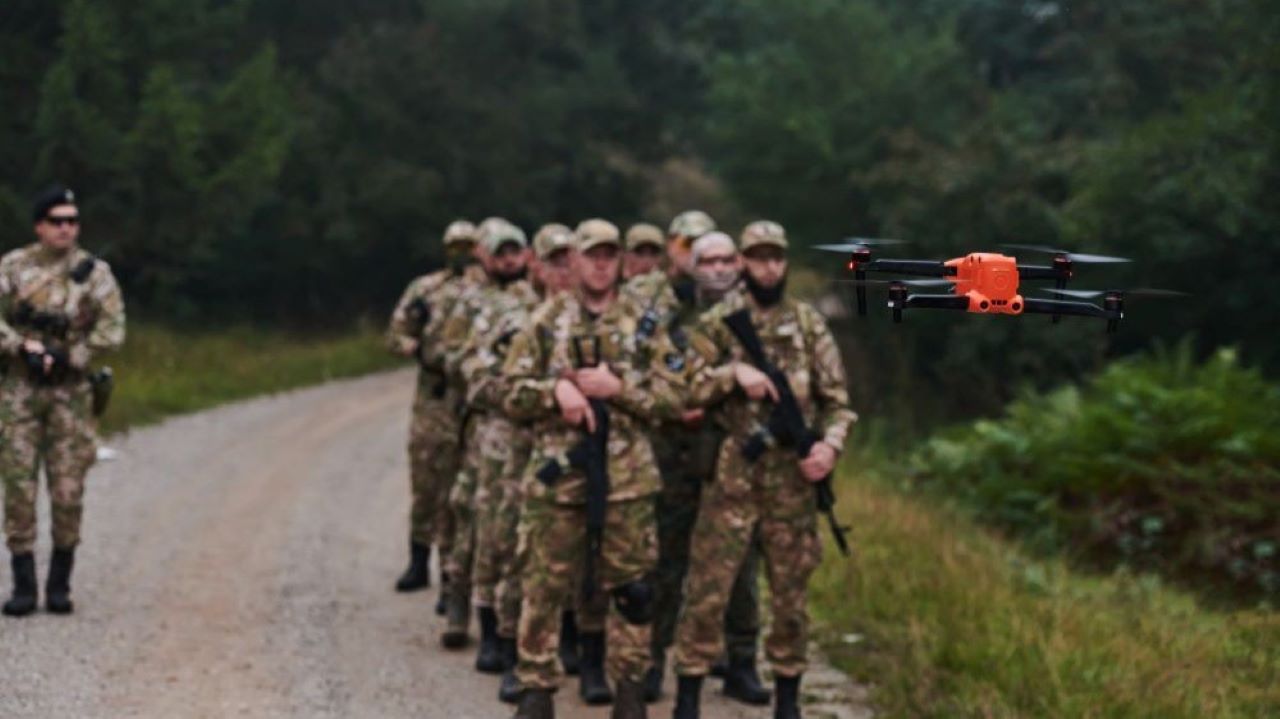
army men in formation

Why Training Robots in Games Could Be the Smartest Idea in Tech

At this year’s ITSEC conference, I had the privilege of presenting a topic that is reshaping the future of robotics: training robots using game engines. As the boundaries between simulation and reality continue to blur, game engines—once purely the domain of entertainment—are emerging as powerful platforms for developing intelligent, adaptable robots

I am Mike Sorrenti. For more than 20 years, I have been building worlds – as a creative director, producer, and inventor – bringing hundreds of games, digital experiences and products to life.

Like many of us in the room, I grew up loving stories like Ender’s Game, which is about a child who is sent to a military academy in space destined to be a commander fighting an alien invasion.

He commands fleets of ships from behind a console, falsely believing he is playing a simulation… only to find out it he was fighting the war in real life.

That concept — controlling complex machines through a game-like interface — it has stuck with me to this day. It blurred the line between simulation and reality.

Fast forward to today — and it is no longer science fiction.

It is becoming a real strategy for how we can train autonomous systems, robots, and drones. And it’s why I believe training robots inside game engines — yes, even ones like Fortnite’s — is not just innovative, it’s a strategic advantage.

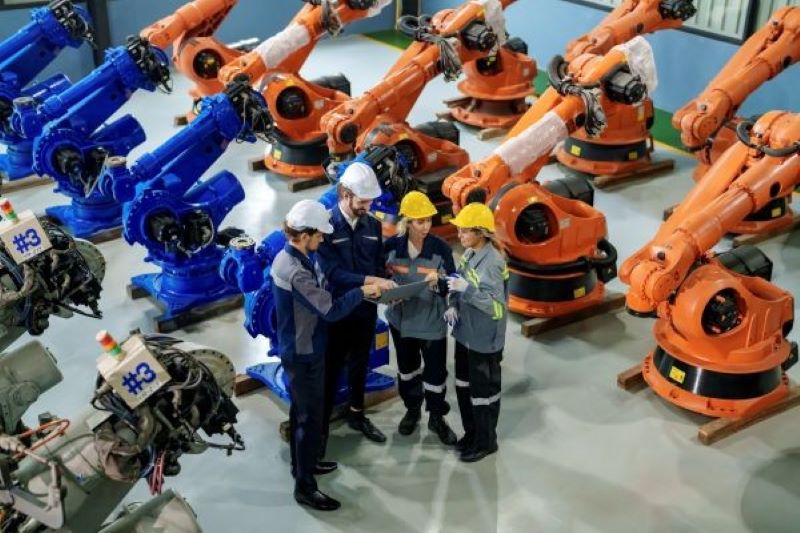
workers with manufacturing machinery
The Real-World Challenge

The country that is the best at training robots in simulation will have the biggest edge — not the one that builds the most machines.

Right now, everyone is fighting over hardware.  But hardware isn’t the biggest problem the training is.

Training robots in the real world is hard.

Every movement, every failure costs time, money, and usually very expensive equipment. 

Autonomous systems need millions of hours of experience to become mission-ready.

In the physical world, gaining that experience is:

Too slow

Too expensive

Too dangerous

And in many cases — impossible to test without revealing your plans to competitors

Humans learn this way naturally. Robots need the same opportunity — but in a safer, faster, more scalable environment.

That’s where gaming comes in.  People are already playing games.  What if that data could be harnessed and used in real world applications? 

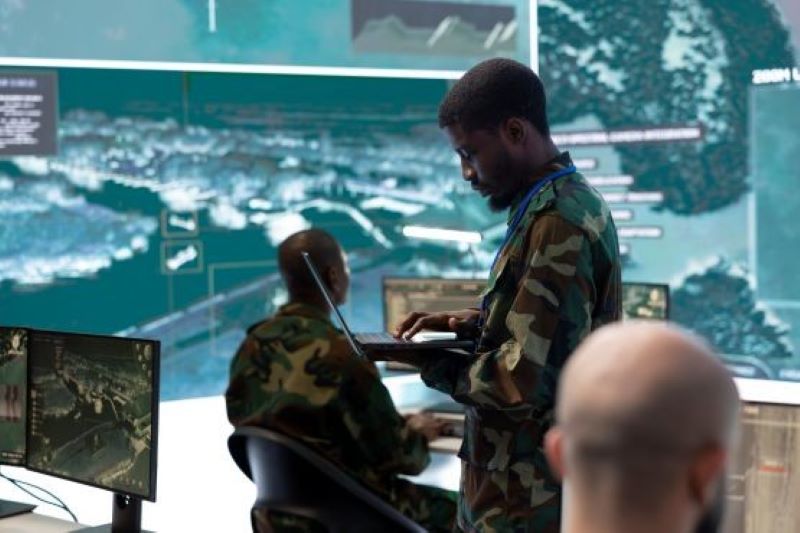
army workers strategizing
The Power of the Virtual Battlefield

Today’s game engines like Unity and Unreal are now more realistic than many military simulators. They aren’t just games — they’re virtual battlefields that can run anywhere in the world.

Using these powerful tools, you can easily simulate light, weather, friction, damage, ballistics, and complex terrains.

And this isn’t hypothetical — this is already how the real world works.

If you arrived here in a Tesla or have been in one you should know that autonomous driving wasn’t perfected on real roads.

It was perfected in Unreal Engine.

Thousands of simulated cities, weather systems, traffic patterns — all generated, tested, and iterated millions of times before the car touched pavement.

Real-world success is now the result of virtual failures — repeated at a massive scale.

In virtual worlds, autonomous systems can:

Practise reconnaissance 

Test patterns.

And Train to respond to surprises,

A single rack of GPUs 

can train more flight hours than a squadron flies in a year

And more adversarial encounters than a battalion could see in a lifetime

Simulation at scale is the solution.

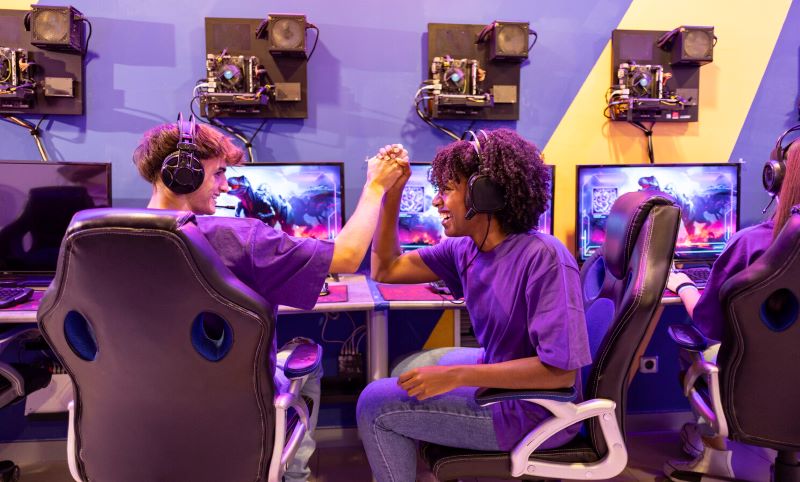
kids playing video games with friends
Gamers — The Trainers of Tomorrow’s Robots

And that is where things get interesting.

There are millions of gamers currently playing tactical, team-based games right now.

100 million people play Call of Duty each month

15 million people have been pilots in Microsoft Flight Simulator.

Every time they enter a cockpit, strategize, flank, rescue, or adapt — they’re demonstrating valuable patterns and decisions.

Now imagine the power of feeding those human decision-trees into a training pipeline.

Gamers, unknowingly, become the teachers of these systems — showing the machines how humans distinctly respond to chaos, surprise, and stress.

That data can be used to train drones on evasive maneuvers, robotic vehicles on coordination, or human-machine cooperation in real world scenarios.

There are two ways to teach robots:

Let them make millions of mistakes and learn through reinforcement

Show them how humans make decisions 

I believe the best strategy is doing both:

Let the Machines learn through simulation

And let Humans do what they do best and provide decisions, intuition, and reasoning


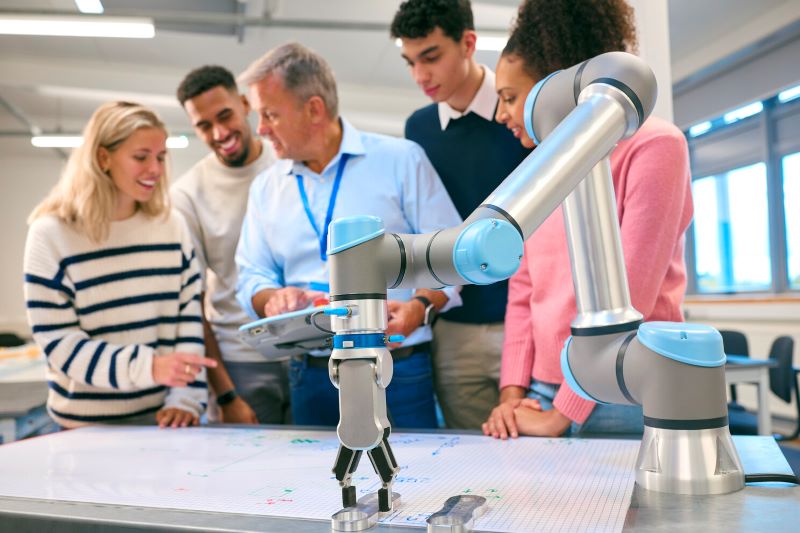
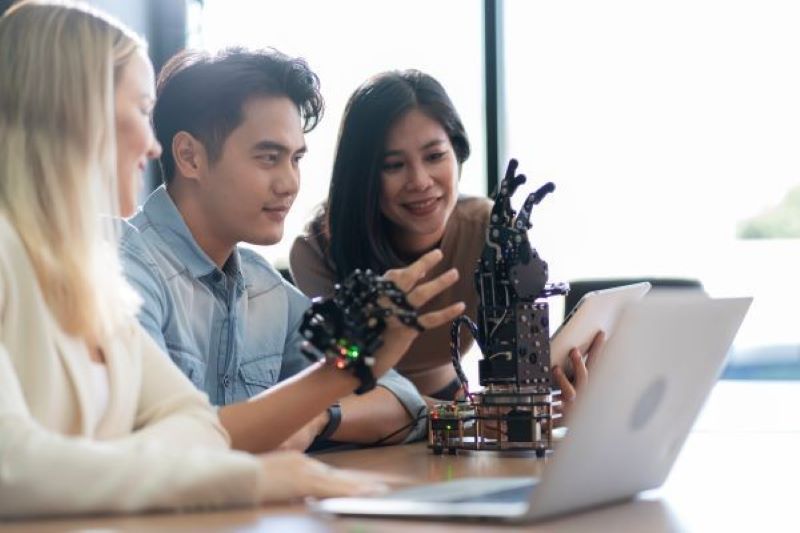
scientist teaches students about robots
From Game to Machine — Sim2Real Transfer

Once systems master lessons in simulation, knowledge can be transferred directly into real-world platforms via sim-to-real transfer.

A drone that has learned from a million virtual flight hours in Unreal Engine learns how to adapt to real turbulence, obstacles, and light conditions. And, an AI assisted convoy that has been trained on in-game ambushes can recognize similar patterns and avoid them.

Literally exporting human intelligence from digital worlds into our physical world.

We believe pairing HUMAN LEARNING with MACHINE LEARNING can give better outcomes, and we are actively testing these beliefs.

 
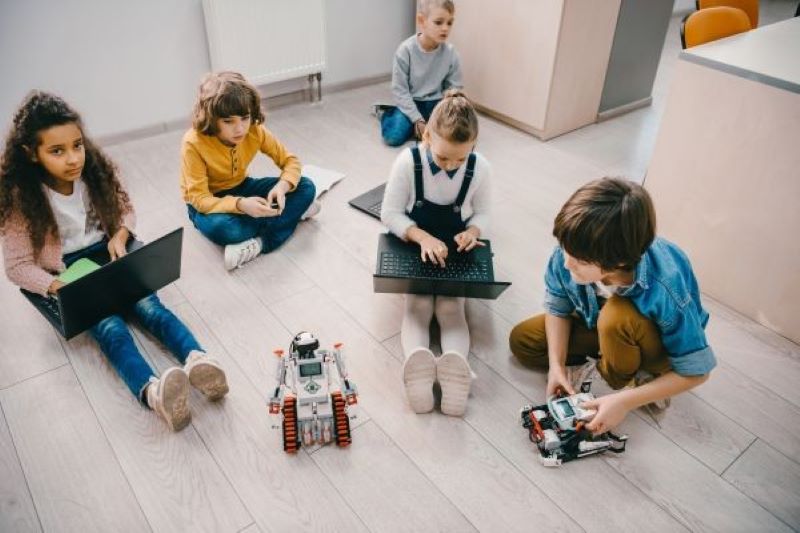
kids in a circle playing with a robot
Childhood

We are giving machines something humans have taken for granted – the ability to learn, adapt, and make sense of the world. 

We are giving robots a childhood  – where we humans are the parents and teachers.

Just like my two children, robots need a safe place to make mistakes and learn before facing the real world. And we humans can guide them along the way.

I believe the best thing we can do for both humans and machines is let them learn side by side — in digital worlds that combine imagination and reality. A Strategic Edge

This idea could change the rules for innovators, companies and nations alike. You can now recruit anyone — from anywhere in the world  –  scientists, soldiers and everyday gamers — can  all help train the next generation of AI systems using the best minds humanity has to offer. We can crowdsource the world’s biggest problems.  Using games people already play and others that are custom built to find the solutions.

Imagine the knowledge from the worlds top chefs living in your kitchen robot.

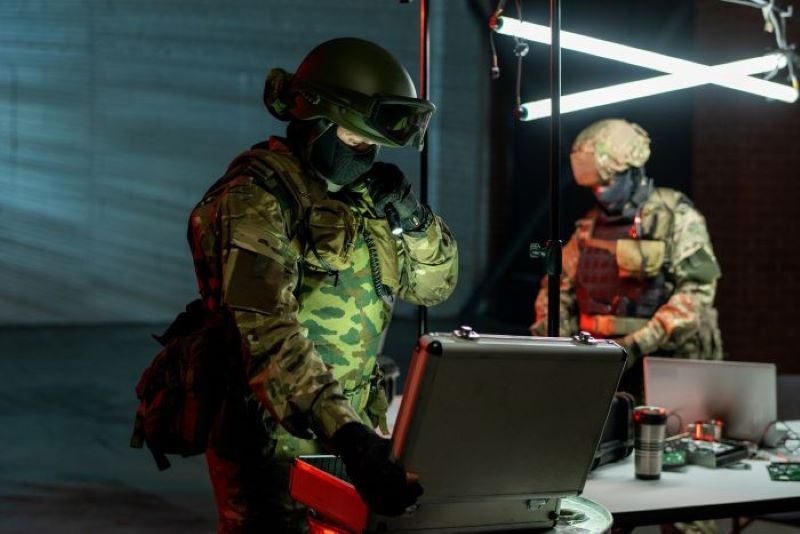
Army man stares at strong computer
Challenges and Ethics

Of course, there are challenges.

There is the “sim-to-real gap” – where we know that simulations can’t yet capture every nuance of the real world.  Also making a game both fun and accurate is not easy.

Data privacy — who owns the gameplay data and can it legally be used for training?

And ethics — how do we ensure these tools are used responsibly, for protection and progress?

While I do not have all the answers. Let’s consider each problem.

The Sim-to-Real Gap is not a reason to stop innovating, but instead it IS the reason to push simulations further.  Every limitation we uncover in virtual environments helps us understand what’s missing from our models and brings us closer to true realism.  Progress happens because of that gap, not in spite of it.

Data privacy is not a roadblock, but rather an opportunity to lead with trust.  By designing transparent data policies and building systems that protect user rights from the ground up, we can innovate responsibly and earn long term confidence from players and developers. 

Ethics – Ethics should not be considered the enemy of innovation.  We should not be questioning whether we should be building these tools, but instead the question should be how do we build responsibly.  When ethics guide invention, technology becomes a force for progress and protection, not harm.

So rather than slowing us down, these challenges remind us why innovation matters. They push us to build smarter, safer, and more human-centered technologies  that reflect our values.

students looking at their macbook
The Call to Action

So the next time you see your children or friends jumping into a game — remember, they’re not just playing.

They might be teaching the future of robotics.

Humans teach AI while playing games, AI practices in simulations, and those lessons shape how robots act in the real world.

Training robots using games isn’t just innovative — it could be the smartest idea in tech today.