


AI, Luddites, and the Iceberg
Michael SorrentiI help companies design products people can’t stop using | Creative Technologist | Product design & AI Advisory | Builder for Disney, ESPN, Mattel, Marvel & Nickelodeon | Founder, Game Pill AI, the knowledge worker reckoning, and a room full of smart people who don't see it coming. A few months ago,


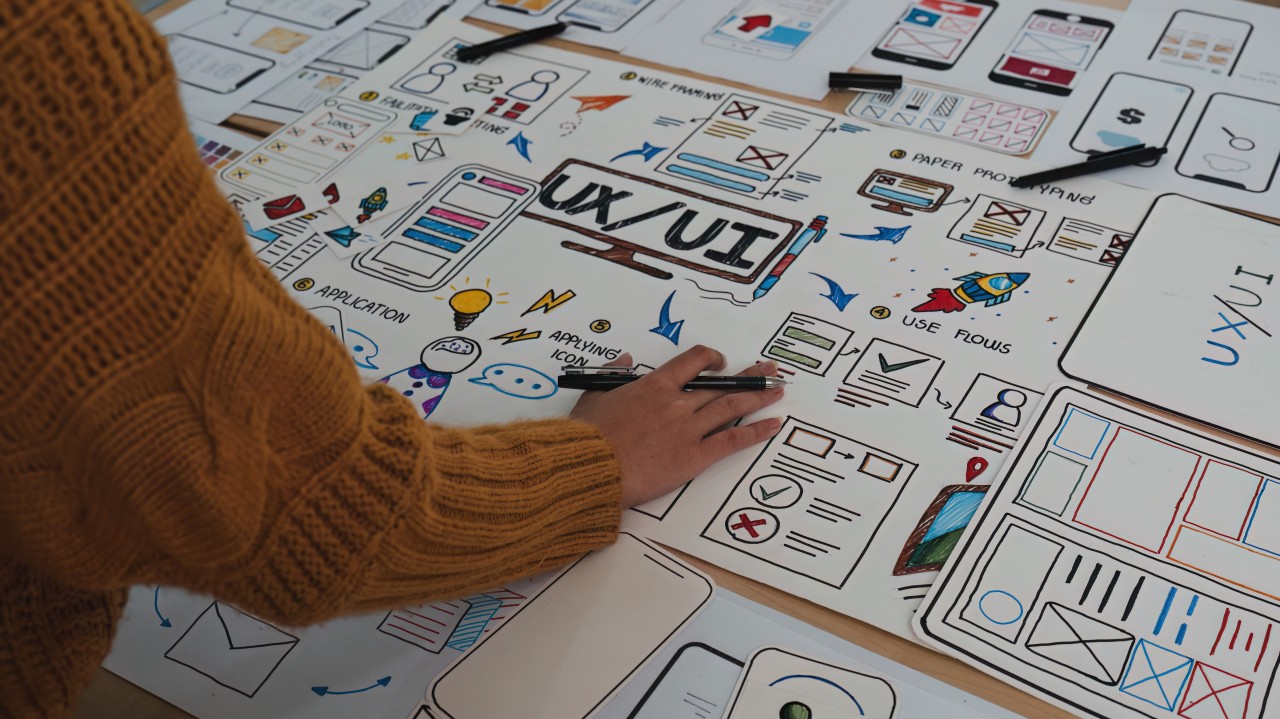
What Game Designers Know That AI Engineers Don’t
Michael SorrentiI help companies design products people can’t stop using | Creative Technologist | Product design & AI Advisory | Builder for Disney, ESPN, Mattel, Marvel & Nickelodeon | Founder, Game Pill You know what I noticed?It is 2026 and AI tools are everywhere: chatbots, coding assistants, writing helpers, analytics platforms and

Parenting the Machine: The EU’s Attempt to Guide an AI That’s Growing Up Too Fast
Michael SorrentiI help companies design products people can’t stop using | Creative Technologist | Product design & AI Advisory | Builder for Disney, ESPN, Mattel, Marvel & Nickelodeon | Founder, Game Pill When you’re a parent, you learn fast that toddlers live in their own world. You spend those early years teaching
Code, Power, and Politics: The Real AI Race
Michael SorrentiI help companies design products people can’t stop using | Creative Technologist | Product design & AI Advisory | Builder for Disney, ESPN, Mattel, Marvel & Nickelodeon | Founder, Game Pill Throughout history, humans have competed for land, resources, and power. Today, the battleground has shifted. Instead of armies marching across
On-Device AI: The Future of Instant, Private, Smarter Devices
Michael SorrentiI help companies design products people can’t stop using | Creative Technologist | Product design & AI Advisory | Builder for Disney, ESPN, Mattel, Marvel & Nickelodeon | Founder, Game Pill For the last decade, AI has lived in the cloud: massive data centers, sprawling GPU clusters, endless pipelines moving petabytes

Why Training Robots in Games Could Be the Smartest Idea in Tech
Michael SorrentiI help companies design products people can’t stop using | Creative Technologist | Product design & AI Advisory | Builder for Disney, ESPN, Mattel, Marvel & Nickelodeon | Founder, Game Pill At this year’s ITSEC conference, I had the privilege of presenting a topic that is reshaping the future of robotics:
What Features Do Parents Actually Want in Educational AI Products?
Michael SorrentiI help companies design products people can’t stop using | Creative Technologist | Product design & AI Advisory | Builder for Disney, ESPN, Mattel, Marvel & Nickelodeon | Founder, Game Pill If an educational game isn’t safe, effective, and genuinely fun, I don’t want my kids using it. Even though test
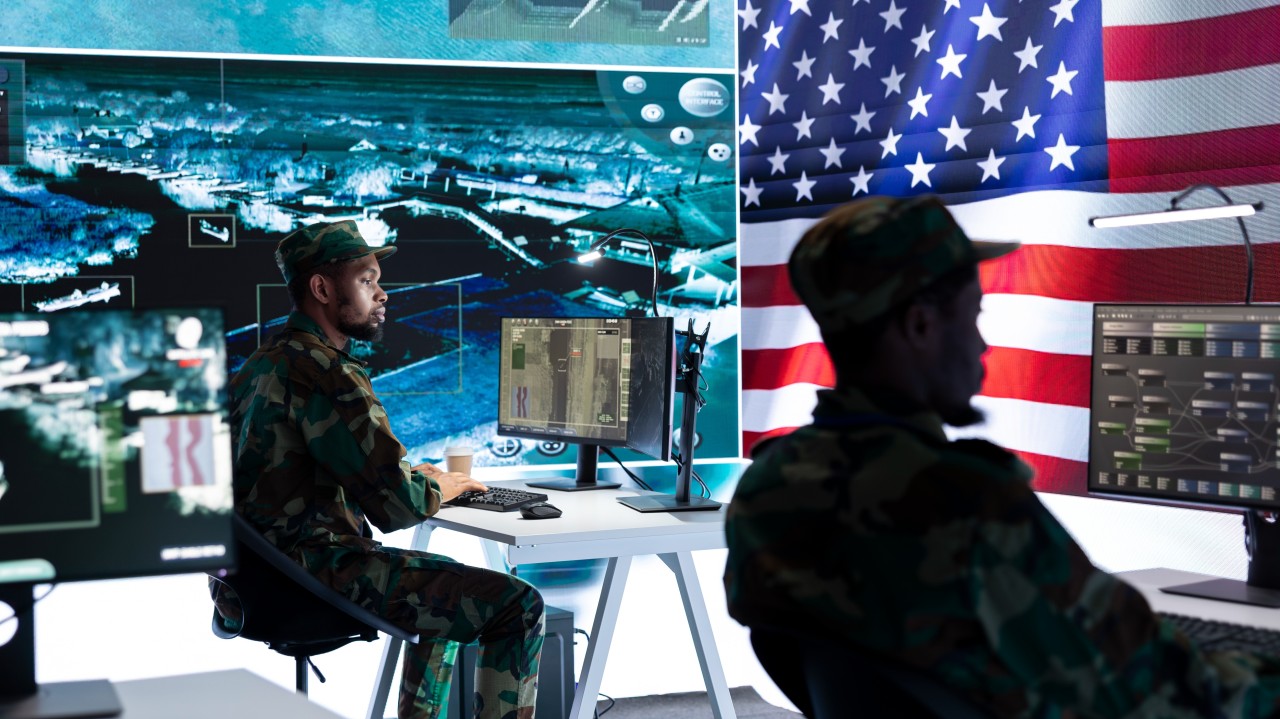
How Game Simulations are Reshaping Military Strategy
Michael SorrentiI help companies design products people can’t stop using | Creative Technologist | Product design & AI Advisory | Builder for Disney, ESPN, Mattel, Marvel & Nickelodeon | Founder, Game Pill The Rise of Game-Driven SimulationsFor centuries, militaries have relied on war games to test strategies, train commanders, and forecast outcomes.

The Right Kind of Bond. Designing Avatars That Empower
Michael SorrentiI help companies design products people can’t stop using | Creative Technologist | Product design & AI Advisory | Builder for Disney, ESPN, Mattel, Marvel & Nickelodeon | Founder, Game Pill Over the last few months, I have been experimenting with existing conversational avatars — testing their responsiveness, memory, emotional tone,
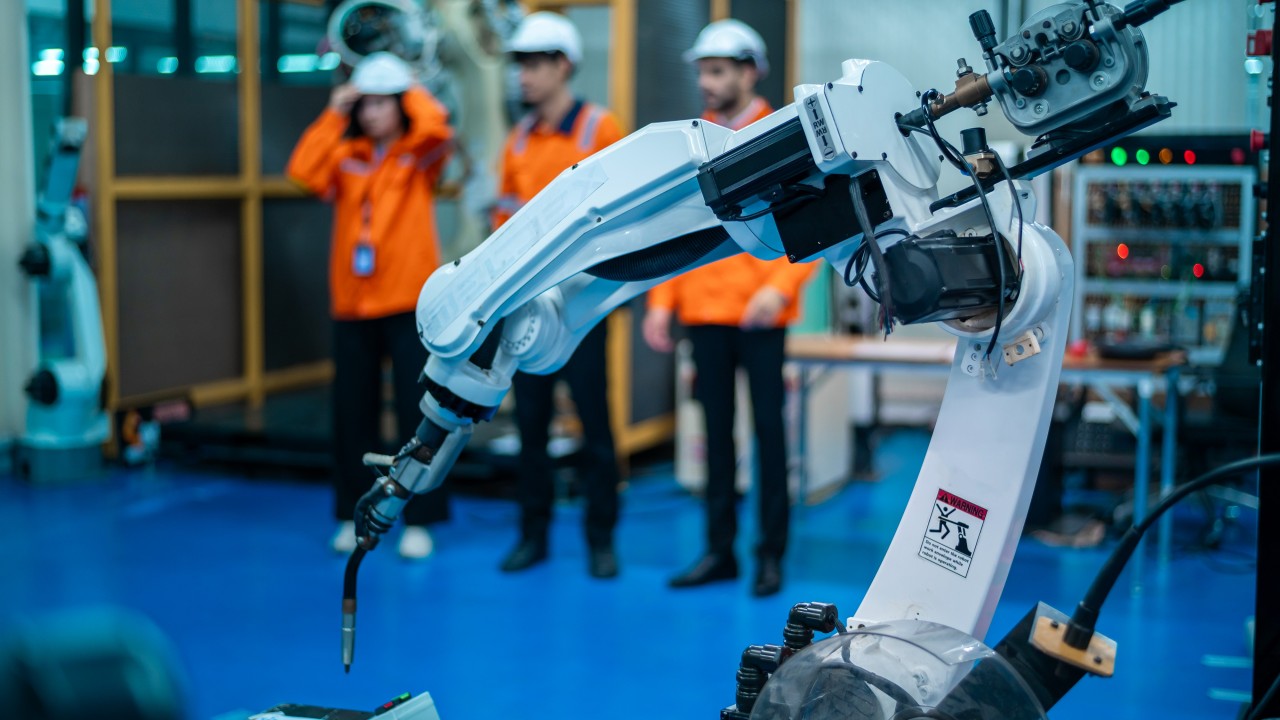
Why Training Robots in Fortnite Could Be the Smartest Idea in Tech
What if robots learned like human children, not engineers?The Next Great Leap in RoboticsLet’s be blunt: real-world robotics training is broken. It’s slow, dangerous, expensive—and always a step behind.But what if we flipped the paradigm? What if robots could play before they work?What if we trained them not in labs or warehouses, but