From Objective to Outcome: Eight Trade Show Booth Goals

Michael Sorrenti
I help companies design products people can’t stop using | Creative Technologist | Product design & AI Advisory | Builder for Disney, ESPN, Mattel, Marvel & Nickelodeon | Founder, Game Pill

How event teams turn booth objectives into measurable results.
Trade show booths win attention when they give attendees something to do, not just something to look at.
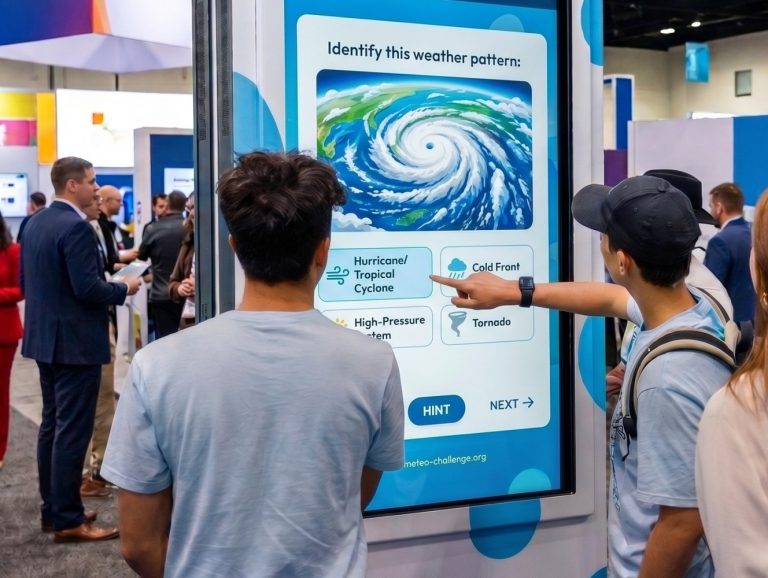
That shift matters because attendee behavior is increasingly active, not passive. Research from The Center for Exhibition Industry Research shows that educational games rank among the most-used engagement tactics on the show floor, while hands-on interactions outperform passive presentations for attention and recall. The opportunity is especially striking because the demand for interactive experiences is much higher than their current rate of use among exhibitors.
For event managers, that gap is more than an interesting statistic. It is a planning advantage. When a booth experience is designed with a clear objective, whether lead capture, product education, crowd-building, or brand buzz, the activation can do far more than entertain. It can structure visitor flow, improve dwell time, support staffing efficiency, and give exhibitors a repeatable way to turn traffic into business outcomes.
Why Interactivity Works
The strongest booth activations succeed for a simple reason: they change the role of the attendee. A passive booth asks visitors to watch, read, or listen. An interactive booth asks them to participate. That shift turns observers into participants, and participants are more likely to stay longer, remember more, and start conversations on their own.
Interactive formats also solve several exhibit challenges at once. They create visible motion that draws traffic, give staff a natural opening line, and collect lead data without feeling transactional. When designed well, the activity is not a gimmick layered on top of the booth strategy. It becomes the strategy.
The Business Case for Interactive Booth Experiences
The evidence is clear: attendees prefer experiences that are interactive, hands-on, and memorable, while many exhibitors still rely on static displays and handouts.
That gap between attendee expectations and exhibitor execution is one of the biggest untapped opportunities on the trade show floor. Interactive booth experiences can deliver several outcomes at once:
- Longer dwell time. Games and challenges give people a reason to stay rather than glance and move on.
- Higher engagement rates. Interactive participation consistently outperforms passive observation, with hands-on experiences generating engagement rates of roughly 73 percent versus 60 percent for traditional presentations.
- Better lead capture. When play and qualification are the same motion, data collection stops feeling like a toll booth.
- Stronger brand recall. People remember what they did, not what they walked past.
- Increased booth traffic through social proof. A live leaderboard becomes a billboard that builds itself. As attendees stop to watch, compete, or check the rankings, they naturally attract others to join the experience.
Creating visible, interactive experiences is increasingly becoming an expectation rather than a differentiator.
Industry research indicates that roughly 96 percent of exhibitors now rely on attendee-engagement strategies to achieve their goals, and approximately 75 percent are actively looking to improve their effectiveness.
Educational games consistently rank among the most popular engagement experiences, with attendee usage near 67 percent.
Despite this strong demand, only about 7 percent of exhibitors offer them, creating an attractive opportunity to meet proven attendee demand while differentiating from the majority of competing booths
Define Booth Success Before Designing the Experience
Successful booth activations begin with a clearly defined outcome. Too often, exhibitors focus on the experience before identifying what they want it to accomplish. Yet the same activation can support very different objectives depending on how it is structured. Whether the goal is lead generation or data collection, aligning the experience to a specific outcome is what drives results. The eight objectives below represent the most common goals exhibitors pursue and the engagement models best suited to achieving them.
Content Creation: Participation Becomes Marketing Assets
This goal designs the booth so that every interaction naturally produces shareable content. Beyond capturing leads, it captures moments such as reactions, wins, competition outcomes, and crowd energy that can be reused across marketing channels. The booth becomes a live content engine in which visitors generate marketing material simply by participating.
Example Booth Interaction: A camera-first experience in which every participation moment is designed to be filmed, shared, or displayed. Visitors enter challenges that produce visible outcomes, including wins, losses, reactions, or rankings. Social sharing unlocks bonus entries or rewards, and the best moments are featured on a live social wall inside the booth. Participants automatically receive highlight clips or recap content after the event, turning them into distribution channels for the brand.
Lead Generation: Turning Attention To Customers
This is the core conversion engine. Every interaction begins by turning casual attention into a structured entry into the exhibitor’s system. Rather than asking visitors to fill out forms, the booth invites them to scan a QR code and enter a live experience in which participation itself is the lead capture. The exchange should feel like a game: the visitor gains access to prizes, challenges, or rewards, while the exhibitor receives clean, qualified data flowing directly into the CRM. Each action, whether scanning, playing, sharing, or returning, quietly raises engagement value and lead quality in the background.
Example Booth Interaction: A scan-to-play reward loop, such as Spin-to-Win, an instant-win game, or a digital challenge. Additional entries are earned through social sharing, referrals, or repeat visits, and qualification questions are embedded naturally inside gameplay.
Brand Awareness and Visibility: Becoming Impossible to Ignore
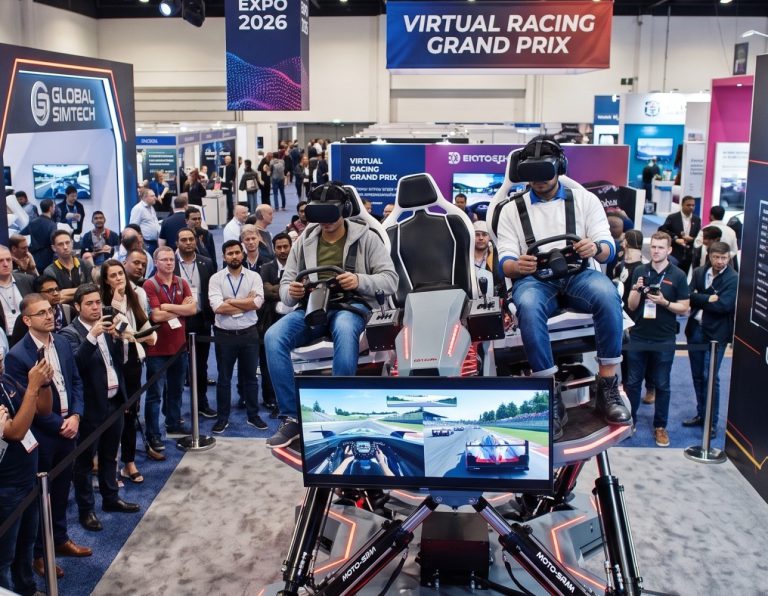
This goal is about turning the booth into something people physically gravitate toward and remember long after the event. In a crowded hall, attention is won through movement, competition, and visible energy. The booth becomes a live attraction where attendees do not merely see the brand; they watch it in action. The more people participate, the more visible and desirable the booth becomes from across the floor.
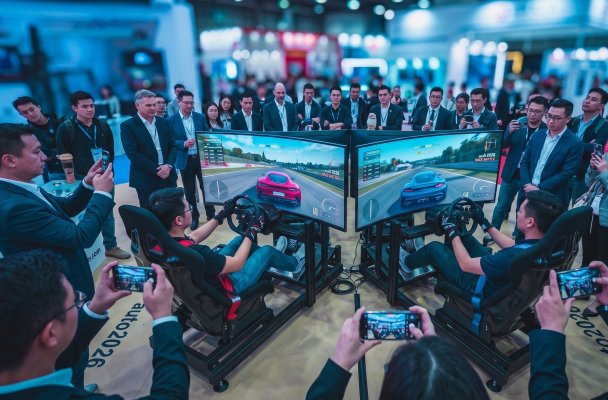
Example Booth Interaction: A high-visibility, crowd-driven competition built around live leaderboards and public challenges. Visitors see the crowd forming, booth attendees invite them to join an ongoing contest displayed on a large screen, where scores update in real time. Social actions such as sharing or tagging the brand unlock bonus rounds or power-ups, and winners are celebrated publicly to draw crowd attention. The mechanic is simple: step in, compete, and instantly become part of a visible, evolving spectacle.
Product Demonstration and Education: Curiosity Becomes Understanding
Here, understanding replaces confusion. Instead of explaining the product, the booth lets people experience it through structured interaction that mirrors real use cases. The aim is for someone to grasp the value within seconds of engaging, without needing a pitch. Every interaction quietly teaches product value while the visitor feels as though they are playing a game or completing a challenge.
Example Booth Interaction: A digital demonstration that transforms the product’s core advantage into a gamified experience. For example, an agricultural company whose treatment prevents fungal disease could present visitors with a virtual field threatened by infection. Players apply different treatments, manage crop health, and watch the results unfold over multiple growing cycles. Crops protected by the company’s solution remain healthy and produce higher yields, while untreated fields suffer losses. Visitors experience the outcome rather than simply hearing claims about performance.
Sales Pipeline Acceleration: Converting Interest Into Action
This goal compresses the sales cycle by turning booth engagement into immediate next steps. Rather than waiting for follow-ups, prospects move through structured interactions that lead naturally to booking demos, unlocking consultations, or advancing deals. In a booth environment where this is done in an entertaining way your prospect goes through discovery on the spot.
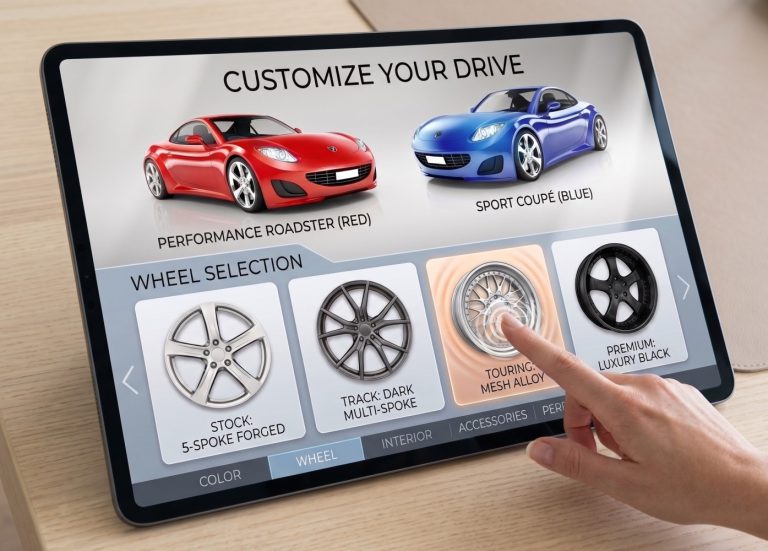
Example Booth Interaction: Users are placed into a playful, interactive demo where they “build” their ideal solution step by step. Depending on the context, this could become a vehicle, airplane, or any complex system relevant to the product being sold. The system dynamically assembles a version of the product that best fits their chosen goals, while visually showing how each specification impacts performance. As users adjust options and make choices, they see real-time trade-offs—such as speed versus efficiency or capacity versus range—making the experience feel like a game of optimization. The interaction continues until the user arrives at a fully customized final build that represents their ideal configuration.
Market Validation and Feedback Gathering: Converting Participation Into Insight
This is where real-world insight is collected without asking people to fill out surveys. Instead of requesting opinions directly, the booth embeds feedback into the decisions visitors make during gameplay. Every choice shapes their experience and reveals what they actually value in real time. The result is structured, high-quality product insight disguised as entertainment.
Best Booth Interaction: A choice-driven system in which users actively vote, select, or prioritize features as they play. Visitors enter a “build your experience” mode, answering quick A/B preference questions, choosing product features, or navigating branching scenarios. Each decision affects their path and outcome, so feedback feels like part of the game rather than a survey. At the end, they receive a personalized summary of their choices and how those map to the product offering. Follow up material can also be customized to their choices.
Partnerships and Strategic Relationships: Unlocking High-Value Deals
Here the booth shifts from public engagement to premium business development. Rather than broad traffic, it offers a layered experience for partners, distributors, and strategic stakeholders. These visitors enter a more advanced version or section of the booth where they can explore offerings in a structured but interactive way.
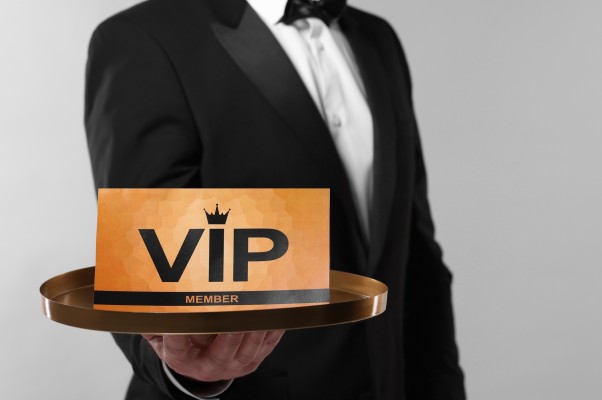
Best Booth Interaction: A “VIP unlock” experience accessed by invitation. Existing partners or high value prospects get access to information or product knowledge that is exclusive. Partners enter a guided interactive demo that reveals deeper product layers, such as integration paths, roadmap previews, or any other new and original information. This works great for new product launches or sneak previews of new features. Often times this works well with a special giveaway and communication before the event inviting visitors to a special event.
Competitive Intelligence: Converting Observation Into Market Insight
This goal turns trade show exposure into real-time market intelligence. Rather than guessing how the brand compares to competitors, the booth lets visitors experience controlled comparisons and observe their real preferences. The aim is to understand positioning strength, feature appeal, and messaging clarity from actual behavior rather than stated opinion.
Example Booth Interaction: A “Live Simulation Cost-Off” comparison experience between two products. Attendees enter an interactive simulation where they are shown two competing products (in this exam-le we will use a machine) side by side, but instead of being told which is better, they run both through real-world scenarios like production output, maintenance schedules, and downtime events. One machine is cheaper upfront but requires more frequent repairs and longer downtime. The other machine is more expensive initially but runs more reliably with significantly less downtime and higher continuous output.
As users interact with the simulation, they “operate” both machines over a virtual time period and immediately see the impact of breakdowns, service interruptions, and productivity loss. The system converts these outcomes into a running cost model, showing total cost of ownership over time rather than just purchase price. By the end of the experience, users clearly see that the higher-cost machine becomes the lower-cost option in the long run due to reduced downtime and higher efficiency.
From Initial Goal to Live Experience
Trade shows are crowded with companies competing for the same limited resource: attention. The organizations that stand out are not necessarily those with the largest booths or budgets, but those that create experiences people want to engage with.
The most effective activations begin with a clear objective and are designed to attract, educate, and convert in a single interaction. When done well, an interactive experience does more than entertain, it creates memorable brand moments, generates actionable insights, and drives measurable business outcomes.
If you’re ready to turn your booth into a strategic advantage, check out 33 Interactive Trade Show Booth Ideas That Drive Results, for practical concepts and inspiration to help bring that vision to life.
Build the Booth People Line Up For
Michael Sorrenti and the team at GAME PILL design and build interactive experiences that attract attention, educate attendees, and drive measurable business outcomes.
From custom games and touch-screen experiences to motion-tracking activations, live competitions, and second-screen systems for contests and giveaways, we create experiences tailored to your objectives.
The most effective booths rarely rely on a single interaction; they combine multiple engagement layers that attract visitors, communicate value, and capture meaningful leads. Whether your goal is lead generation, product education, brand awareness, market validation, or partnership development, we can help transform your booth from a static display into an experience attendees remember. Tell us the outcome you want to achieve, and we’ll design the experience that delivers it.